|
|
|
|
| |
Dear Reader,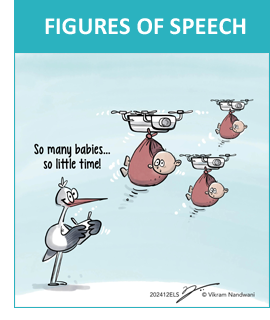
Drones, once confined to the realms of military and hobbyist use, have rapidly evolved into powerful tools across various industries. With their ability to capture aerial imagery, perform precise measurements, and carry out complex tasks remotely, drones are transforming sectors ranging from agriculture to logistics, construction, and beyond.
Drones, once seen as a niche technology, are now transforming industries across India. From agriculture to logistics, they are revolutionizing how businesses operate. In farming, drones are improving crop monitoring and precision farming, helping farmers boost yields and reduce costs. In construction, they offer real-time site inspections and better project management. Logistics, too, is witnessing a drone-driven shift, with companies exploring quicker, cost-effective deliveries, especially in remote areas.
As drones continue to advance in terms of automation, AI integration, and battery life, their potential to streamline operations, reduce costs, and improve safety becomes ever more apparent. While challenges around regulations and public acceptance remain, the sky is not the limit for drones; it's just the beginning.
Empowering Times (ET) this month looks at 'The Power of Drones: A Rising Role in Industry'.
In the Thinking Aloud section, Jay highlights that drones, once a military innovation, have become a transformative technology with widespread civilian applications across industries such as delivery, healthcare, and agriculture, driving new opportunities and growth, while navigating challenges like regulations and safety. On the Podium, Kush Agarwal, President & CEO, YelloSKYE, highlights the transformative potential of drones across industries, the challenges of adoption, and his journey in founding YelloSKYE to drive innovation and structure in the drone ecosystem. In the We Recommend section, we review Gautam Adani: Reimagining Business in India and the World by R. N. Bhaskar, a book which offers an in-depth exploration of Gautam Adani's life, motivations, and business strategies, blending biography and data to reveal the man behind India's largest business empire.
In Figures of Speech, Vikram's toon takes flight delivering the future!
As we begin 2024, the team at ELS would like to extend our warmest wishes to our readers for a Happy New Year!
Please also Click Here to check out our Special issue of ET, which is a collation of selected themes that were featured over the years highlighting the changing landscape of the business world. This special edition has been well received and can be Downloaded Here for easy reading and is a collector's item.
As always, we value your opinion, so do let us know how you liked this issue. To read our previous issues, do visit the Resources section on the website or simply Click Here. You can also follow us on Facebook, LinkedIn, X, Threads & Instagram - where you can join our community to continue the dialogue with us!
|
| Succeeding in Business: Nurturing Value in Family Business |  |
|
 |
Click below to order your copy now


Special offer for Empowering Times readers. Get 30% discount by using coupon ETSPECIAL on the Notion Press online store.
Click here to connect with Jay.
|
|
|
|

|
|
Traffic jam on city roads is passe. The new concern is traffic in Space. With over twenty-eight thousand satellites in Space (that's an increase of nearly 7% over last year), there is concern about crowding and safety with collision hazard being a source of worry.
Well, it's no different back home on earth. The new bird in the sky is an electronic one which has captured the imagination of all segments of the society: an unmanned aerial vehicle with multiple uses, popularly known as drones.
Everyone wants one - from the defence experts to the wedding videographer to the business man seeking to enhance efficiency, to the young hobbyist who dreams of flying. And, thanks to the Chinese manufacturing industry, everyone can get one, as prices have crashed. Consider this: toy drones are available for as low USD 30! The big military birds of course cost a pretty penny - but losing them is a cheaper option to losing a pilot, as everyone would testify. An interesting sidelight here is that the largest player in the military drone market is Turkey with 65% share of the industry (China is next with 26%) and has generously offered its budget friendly birds for sale to over 30 countries - even Maldives wants them!
From the pages of science fiction to the reality of today, drones are becoming ubiquitous, and the real reason is the potential it offers in the civilian world. While military use can make headlines, it is the power that it can unleash to transform efficiency in business and offer benefits to larger society that is noteworthy. When Amazon announced its drone delivery in 2013 it was path-breaking. But Prime Air (Amazon's drone service) is in operation only in two locations in the United States, with a plan for more services in the UK and Italy. Rather like the fabled driverless cars, regulatory forces have not cleared this project due to various concerns of safety and related matters.
However, the technology has been well demonstrated by firms like Zipline, acknowledged as a world leader today. In fact, since their first delivery of a medical package in 2016 in Rwanda, their services have grown to five other African nations, apart from US and Japan, with over a million deliveries. The benefit of accessing remote locations through drone delivery has attracted much attention, and interestingly, the hill state of Meghalaya too launched a service in December 2022. The Meghalaya Health Systems Strengthening Project (MHSSP) has become an innovative model by harnessing drone power for remote access and thereby providing quick and efficient medical assistance to citizens by transporting medicines, vaccines, diagnostic samples, etc. Its success will undoubtedly lead to replication of the project in other states.
India has over 200 drone start-ups and they are vying with each other to partner with firms in various sectors. The exciting world of Quick Commerce has latched on to the idea of drone delivery and firms like Zomato, DTDC, etc., have conducted trial runs with various drone companies. The issue is no longer about technological capability - many firms have shown that they can do it - but the hurdles include regulatory clearances, security issues, pricing, and of course consistent customer service. However, the fact that the government has created a production-linked incentive (PLI) scheme for the drone sector sends a strong signal that they want India to be a global player and become a drone hub. The initial PLI scheme of 2021 provide an outlay of Rs. 120 crores for three years, and a revised scheme is expected soon which will take this to over a Rs. 1,000 Crores. The message is simple: create a strong manufacturing program in India and become an export base.
The skies are going to get more crowded with each passing year. And we can thank Abraham Karem for that. Called drone father, Karem is acknowledged as the creator of this modern flying machine and also the famous Predator Drone that has become a byword in the battles of the Middle East. Karem is right when he said that, "You need inventors who are dreaming and tinkering to make new things happen." The drone today is seen as a vehicle with unlimited possibility: from the wedding videographer to the entertainment industry, from disaster relief to education, from medical assistance to traffic surveillance, from monitoring high risk construction to geomapping, from the logistics industry to agriculture...one could continue to list the multiple avenues for this unique bird. In its wake is the creation of new industry, new jobs and a whole slew of opportunities. Thank you, Abraham Karem!
back to top ^
|
|

|
|
 Kush Agarwal’s aviation journey began at the age of 18, when he earned his pilot’s license, driven by an unwavering passion for flight. This early dedication paved the way for an impressive career, during which he accumulated over 4,000 flight hours and established himself as a prominent figure in the aviation industry.
His career took a pivotal turn when he joined Jet Airways, where he quickly advanced to the role of Deputy Chief Pilot for both the Boeing 737 and 777 fleets. In this leadership position, he was responsible for overseeing the operations of more than 1,500 pilots and managing the entire Boeing fleet. His operational expertise and strong leadership set new standards for efficiency, safety, and customer service, positioning Jet Airways as a leader in the industry.
Following his successful tenure at Jet Airways, Kush transitioned to YelloSKYE, bringing with him a wealth of aviation experience and operational insights. At YelloSKYE, he has played a crucial role in strengthening the company's presence in the dynamic drone ecosystem. His comprehensive understanding of various industries has enabled him to spearhead innovative solutions that are revolutionizing the construction sector.
Today, Kush continues to leverage his extensive aviation background and passion for aerial intelligence to propel YelloSKYE’s success. His forward-thinking leadership is driving the company’s growth and solidifying its reputation as a trailblazer in the construction technology space. Through his vision and expertise, Kush is shaping the future of aerial intelligence and establishing YelloSKYE as a key player in the industry.
ET: Drones are being adopted across a range of industries. From your perspective, which sectors are seeing the most transformative impact from drone technology, and why?
KA: Drone technology is truly making waves across several industries, completely transforming the way things are done. Take construction and real estate development, for example. The ability to monitor progress in real time, capture detailed digital twins for accurate measurements, and perform safety inspections without putting people at risk is a game-changer. Projects are completed more efficiently, communication with stakeholders is crystal clear, and companies are saving money while keeping timelines on track. Plus, resource management has become so much more effective that it's increasing overall returns on investment.
Infrastructure and utilities are also seeing remarkable benefits. Imagine the old days of sending workers to inspect power lines, pipelines, bridges, or even cell towers-risky, expensive, and time-consuming. Now, drones handle these tasks quickly and safely, even in hazardous conditions. They're also used for rapid disaster assessments and monitoring renewable energy assets like wind and solar farms, especially in hard-to-reach places.
Agriculture is another sector that has embraced drones with open arms. Farmers use them for precision farming-analysing soil, monitoring crops, managing irrigation, and spotting diseases or pests before they spread. The result? Better crop yields and more efficient farming practices.
Then there's the mining and resources industry, where drones are used for everything from calculating stockpile volumes and mapping out sites to ensuring safety and conducting environmental impact assessments. They even assist with exploration and progress tracking, making operations smoother and safer.
Emergency services and disaster management teams rely on drones for search and rescue operations, fire monitoring, and assessing damage from natural disasters. The speed and accuracy drones bring to these critical situations can be life-saving. And in urban planning, drones are revolutionizing how cities are designed and managed, from smart city initiatives to municipal operations.
Ultimately, drones are making such a huge impact in these sectors because they significantly reduce costs, improve safety, deliver real-time data, and enhance overall efficiency. Plus, the environmental benefits can't be overlooked, as drones help optimize resources in ways we couldn't have dreamed of before.
ET: The integration of drones into traditional industries comes with its challenges. What are some of the major obstacles you face in facilitating drone adoption, and how do you overcome them?
KA: Like any emerging technology, drones come with their fair share of challenges. But with challenges, come opportunities and India's drone industry is soaring to new heights, powered by the government's progressive policies. At YelloSKYE, we've built upon this foundation to create seamless, fully-compliant drone solutions. Our expert team handles all regulatory requirements, from DGCA permissions to local clearances, allowing our clients to focus on their projects while we ensure smooth, compliant operations.
Data security and privacy concerns also pose significant challenges. Clients are often worried about the confidentiality of their information and the security of data transmissions and storage. We've made it a priority to use secure cloud storage solutions. Our data handling protocols are crystal clear and industry standard. On top of that, we conduct privacy impact assessments to reassure our clients and ensure compliance.
Then there are the technical limitations. Drones, as advanced as they are, still struggle with things like short battery life, weather disruptions, signal interference, and the need for constant maintenance. We plan our flights strategically and with a high degree of automation. Backup equipment is always on standby, and regular maintenance ensures our drones are in top shape. We're also investing in the latest technology and training our licensed pilots to adapt to these technical challenges.
Another obstacle is educating stakeholders and overcoming resistance to change. Some people have a traditional mind-set and are hesitant to embrace new technology, especially if they can't immediately see the benefits. We address this by organizing educational workshops, showing clear demonstrations of the return on investment, and conducting pilot projects that prove the value of drones. We also share compelling case studies and offer hands-on experiences to make the technology feel more accessible. While this is a challenge, we are seeing a steady shift in mind-set, and a great interest in adopting this technology.
Integrating drones with existing workflows can also be tough. Many organizations have legacy systems that aren't immediately compatible with drone technology. This requires process modifications and training for employees to adapt. We tackle this by offering customized solutions that integrate seamlessly over time, with step-by-step implementation plans and comprehensive training programs. Clear data formats and transition roadmaps make the process less daunting for everyone involved.
Lastly, there are cost considerations. While running your own drone program represents a significant investment, not just in equipment but also in training and ongoing operations, we've developed a service style solution, with flexible pricing models and phased implementation options to help clients minimize costs. By performing detailed cost-benefit analyses and demonstrating the long-term savings and efficiencies drones offer, we make the investment easier to justify.
Overall, by systematically addressing these challenges and providing robust solutions, we're paving the way for smoother adoption and greater impact across various industries. We are very positive and excited about where the industry is heading.
ET: Drone-tech is an emerging field. However, drones bring to mind warfare or hobby photographers. From your perspective, how does the drone industry attract talent and for what kind of roles?
KA: It's fascinating to see how the perception of drones has evolved. Most people used to associate drones with military operations or hobbyist photographers, but today, the commercial landscape is a booming ecosystem. This evolution has attracted a wide range of professionals, from software engineers and data scientists to business development experts.
On the technical side, we need talented software developers to work on flight control systems, mission planning software, and data processing algorithms. These developers are often at the forefront of innovation, implementing AI and machine learning techniques and developing platforms that can handle massive amounts of data in real time. Data scientists are equally crucial, as they turn drone-captured data into actionable insights, build predictive models, and optimize performance.
Operational roles are also key. Certified drone pilots are in high demand, and these aren't just hobbyists-they're professionals trained in mission planning, equipment handling, and real-time decision-making, often working under tight safety protocols. Project managers play a critical role as well, coordinating with clients, scheduling missions, and ensuring quality deliverables.
What's really exciting is the demand for industry-specific experts. For example, in construction, specialists use drones for site planning and progress monitoring, while infrastructure analysts use them for asset inspections and risk assessments. These roles require a deep understanding of the industry combined with technical drone knowledge.
Business development and marketing professionals are also essential. They help educate the market, customize solutions for different industries, and build strong relationships with clients. The regulatory landscape is complex, so we also need experts in compliance who can navigate permissions, develop safety protocols, and stay on top of evolving policies.
In a nutshell, the drone industry is an interdisciplinary hub where aviation meets AI, and every day brings new opportunities to make a meaningful impact. There are massive opportunities within the industry, and professionals in this industry are emerging, with a clear career path and exciting growth opportunities.
ET: Drone technology is advancing quickly. How do you read the future of drone technology over the next 5-10 years?
KA: The future of drones is exhilarating! We're looking at huge leaps in AI and autonomy, where drones fly themselves and make decisions independently. Imagine drones seamlessly navigating construction sites, monitoring progress, and assessing quality in real time.
In urban areas, drones will be integral to smart city projects, managing traffic or aiding emergency responses. Advances in data processing and cloud integration will push predictive analytics to the forefront, offering insights like never before.
Regulations will evolve to keep pace, moving towards global standards that make flying smoother and safer. We'll also see more specialized solutions across industries, like tailored drones for agriculture, mining, or city planning.
The push towards sustainability is exciting too. Drones will help in monitoring the environment and optimizing resources, making them crucial allies in building a greener future.
With the advent of AI and the ability to analyse large datasets at scale, the ability to work with the data from drones truly has the potential to provide insights to a wide range of businesses.
The bottom line? Drones will become essential, not just for industry but for daily life, transforming the way we work, live, and make decisions.
ET: As the Co-Founder and CEO of YelloSKYE, can you share some insights into the journey that led you to establish the company and how your background shaped its vision?
KA: When I reflect on the journey that led to founding YelloSKYE, it's interesting how everything came full circle. Coming from a business family, entrepreneurship always felt like a part of who I am, almost as if business runs in my blood. But before venturing out on my own, I spent almost 12 years in the aviation industry, working with India's most premium private airline. I started as a trainee pilot and gradually worked my way up to leading global day-to-day operations for the entire fleet. It was an incredible experience, and I learned so much about leadership, operations, and navigating complex, high-stakes environments.
After a successful corporate run, I knew it was time to follow my entrepreneurial instincts. That's when I met Kiran in 2018, and everything started falling into place. Kiran was the ideal partner for this venture. He had an impressive corporate career in Capital Markets, having spent 8 years at JP Morgan and another 13 at Goldman Sachs. His last role was as the CEO of the Global Centre in Bangalore, where he led around 6,000 people. Like me, Kiran was ready for a new challenge and felt drawn to entrepreneurship.
It was the perfect moment for us to dive into the world of drones. The Indian government had just introduced drone regulations in 2018, and we had a strong conviction that this industry was about to explode with opportunities. We believed that a whole ecosystem-or even a GDP-could be built around drones. But at the time, we noticed a glaring gap: there weren't many organized, enterprise-level players in the drone space. We knew we could bring structure and professionalism to this emerging field.
Both Kiran and I come from high-performing organizations at the peak of their industries, and that mind-set heavily influences how we're building YelloSKYE. We're laser-focused on using drone technology to solve real problems for our clients and becoming an integral part of their daily operations. To us, technology is not just about innovation for the sake of it-it's about making a tangible difference and creating meaningful solutions.
That vision drives everything we do at YelloSKYE, and it's been an incredibly rewarding journey so far.
back to top ^
|
|

|
|
 Gautam Adani's ascent from humble beginnings to one of Asia's wealthiest individuals is a powerful narrative of vision, resilience, and strategic insight. Born in 1962 in Ahmedabad, Gujarat, Adani's entrepreneurial spark was ignited early in life, particularly by his exposure to the bustling Kandla Port, a catalyst for his lifelong interest in business. Though he discontinued his formal education in 1978, the young Adani's determination to succeed drove him to explore various avenues. Initially, he dabbled in diamond trading and later became involved in his family's plastic processing business. However, it was his venture into the business of PVC imports from Korea that would lay the groundwork for his future empire.
Adani's breakthrough came in 1988 when he founded Adani Exports. This company swiftly established itself as a major player in the trading sector. The 1990s marked a period of exponential growth for Adani, with a focus on commodities, coal trading, and the construction of Mundra Port-an investment that would become a cornerstone of his expanding infrastructure empire. Throughout this period, Adani emphasized the importance of self-sustaining, profitable ventures, which allowed him to gain the trust and loyalty of investors, without relying on external public funding. His strategic decisions during this time were defined by pragmatism and an acute awareness of market dynamics.
In the following decade, Adani diversified his business interests, venturing into energy, logistics, and power generation. Notable milestones included the creation of the Fortune edible oils brand through a partnership with Adani-Wilmar, and the establishment of a dominant presence in private thermal power generation. International expansion was also a key component of his strategy, highlighted by acquisitions like the Carmichael coal mine in Australia and the Abbot Point Port. Adani's focus on renewable energy began in earnest with the establishment of a 40 MW solar plant in Gujarat in 2012, signalling his long-term commitment to sustainable energy solutions.
The 2010s saw Adani's empire span even further, as the group expanded into sectors such as ports, logistics, solar energy, and electricity. The acquisitions of Kattupalli Port, as well as the creation of Adani Gas and Adani Electricity, illustrated his ambition to develop a vertically integrated infrastructure and utility conglomerate. His business endeavors were consistently aligned with the needs of the Indian economy, contributing significantly to the country's energy and infrastructure development. His leadership, underpinned by values of integrity and relationship-building, garnered the respect of political and business leaders alike.
Adani's growth trajectory continued into the 2020s, as the group expanded into new and emerging sectors such as airports, hydrogen fuel cells, and e-commerce, further solidifying his position as one of the key drivers of India's growth story. Central to Adani's strategy was his focus on long-term profitability, transparent management practices, and strategic partnerships. His ventures are often seen as a model for how business and national interests can align to drive mutual growth. His ability to navigate crises-whether a kidnapping in 1998 or the challenges posed by the 2008 Mumbai attacks-demonstrates his resilience and adaptability, characteristics that have underpinned the Adani Group's expansion.
The entrepreneurial journey of Gautam Adani was shaped by a mix of hands-on experience and sharp business instincts. In the early 1980s, he took his first steps in the business world through the plastics industry. This experience taught him the intricacies of managing imports and exports, along with the nuances of market fluctuations. His entrepreneurial savvy was evident in his ability to establish strong vendor relationships, creating favorable deals and minimizing risks in an often volatile business environment. His first major success came when he secured a deal with the Gujarat State Export Corporation (GSEC), which provided him with access to duty-free plastic imports. This deal played a pivotal role in propelling his business forward.
Adani's entrepreneurial instincts, however, were not confined to simple transactions. He understood the importance of building professional systems and optimizing logistics for better pricing. As a result, Adani Exports thrived under his leadership, while competitors struggled to keep pace. This success, coupled with his strong relationship with employees and an unwavering work ethic, earned him a reputation for reliability and strategic foresight. His ability to balance personal and professional commitments, particularly in terms of supporting his workforce, helped build a loyal following.
The 1990s marked a transformative period for Adani Exports, coinciding with India's economic reforms. Adani seized this opportunity, expanding into new markets and product categories such as seafood, cosmetics, and toothpaste. His growing network of suppliers and customers allowed the business to flourish, while his ability to align with national priorities bolstered his image as a forward-thinking industrialist. A major milestone came in 1994 when Adani Exports went public, marking a shift from its origins as a trading entity to a diversified exporting business.
One of Adani's most significant achievements came with the development of Mundra Port, a project that evolved from a modest jetty to one of India's most efficient ports. Through strategic land acquisitions, a focus on mechanization, and partnerships with companies like Cargill and Indian Railways, Mundra became a critical asset for India's maritime trade. As a result, the Adani Group expanded its presence internationally, acquiring ports in Sri Lanka, Australia, and Israel. The global network Adani built helped position his business as a key player in the logistics sector, both domestically and internationally.
Adani's ventures into the coal sector, despite environmental concerns, were pivotal to the group's growth. In response to India's energy demands, Adani invested in coal mining and logistics, solidifying his group's role in the nation's power generation. The Carmichael coal mine project in Australia, though controversial, demonstrated his commitment to India's long-term energy security. His unwavering belief in the importance of coal for India's energy needs led to his persistence despite opposition from environmental groups.
The group's commitment to renewable energy has become one of its defining features. By 2021, the Adani Group had established itself as India's largest solar power player, with a capacity of 5,250 MW. This success was built on a clear strategic vision: bypassing thermal power plants in favor of solar energy. Adani's ability to execute large-scale projects, such as Asia's largest photovoltaic plant, further strengthened the group's position in the global renewable energy market.
The diversification of the Adani Group into sectors such as agriculture, city gas distribution, and retail has also played a significant role in its growth. By focusing on key industries that align with India's development priorities, Adani has positioned himself as a leader in sectors that will drive India's future economy. His ventures in agriculture, for example, have revolutionized grain handling in India, reducing inefficiencies and corruption in the supply chain.
Adani's leadership is underscored by a commitment to social responsibility. Through initiatives like the Adani Vidya Mandir schools and the Udaan skill training programs, the group has made a significant impact on local communities. Gautam Adani's emphasis on giving back to society is not just an afterthought but a core part of his business philosophy. His strategic decision-making, which includes shedding non-profitable ventures and focusing on high-growth sectors, has allowed the Adani Group to maintain its upward trajectory.
Looking ahead, the Adani Group's continued expansion into defense, healthcare, cement, and digital infrastructure, particularly data centers, suggests that Gautam Adani's entrepreneurial journey is far from over. His legacy, built on resilience, strategic foresight, and an unwavering commitment to India's growth, is likely to inspire generations of business leaders to come.
back to top ^
|
|
| |
|
THROUGH THE LENS
|

|
|
Nature photographer Rupesh Balsara spots the Crimson Sunbird which is a vibrant and striking bird found across India, known for its brilliant red plumage, particularly in males. These small, nectar-feeding birds are commonly spotted in forested areas, gardens, and plantations, often hovering to feed on flowers. With their slender build and iridescent feathers, Crimson Sunbirds are a delightful sight for birdwatchers throughout the Indian subcontinent.
|
|
|
|
Empowered Learning Systems
www.empoweredindia.com
101, Lords Manor, 49, Sahaney Sujan Park,
Lullanagar, Pune – 411040,
Maharashtra, India


|
 The ELS Lotus logo is trademark of Empowered Learning Systems The ELS Lotus logo is trademark of Empowered Learning Systems
©2024 Copyright Empowered Learning Systems (ELS). For private
circulation to clients and well-wishers of ELS. While ELS endeavors to ensure
accuracy of information, we do not accept any responsibility for any loss or
damage to any person resulting from it.
|
|
|
|
|
|
| |